
 See Our Latest Article on HelloNation
What Are Chiropractic and Massage Therapy?
Chiropractic and massage therapy are two common approaches people in Mamakating, NY may consider for muscle, joint, or back discomfort. Both focus on the body, but their techniques, goals, and training backgrounds are distinct.
Chiropractic care is centered on diagnosing and treating issues with the musculoskeletal system—especially the spine. Chiropractors use manual adjustments and sometimes other therapies to restore movement and function, aiming to reduce pain or improve mobility.
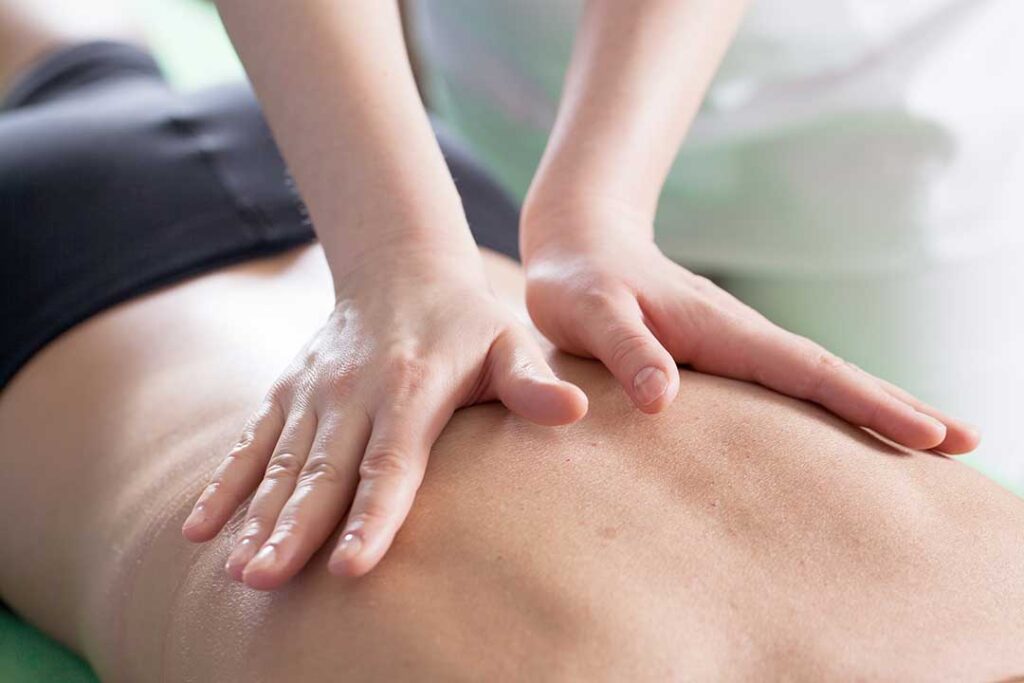
Massage therapy, on the other hand, involves manipulating soft tissues of the body, such as muscles, tendons, and ligaments. A massage therapist uses various techniques to promote relaxation, decrease muscle tension, and support circulation.
How Do Educational Backgrounds and Licensure Compare?
The professional background and regulation of each field differs significantly.
Chiropractors are required to complete a doctoral program in chiropractic, which can take several years after undergraduate studies. This education covers anatomy, neurology, orthopedics, radiology, and manipulation techniques. After graduating, chiropractors pass board exams and obtain a state license before treating patients.
Massage therapists generally complete a certification or associate-level program focused on anatomy, physiology, and hands-on massage methods. They must also pass a state-recognized licensing exam and meet ongoing education requirements. In New York State, regulations are particularly strict, ensuring therapists meet established training standards.
What Techniques Are Used in Each Practice?
Chiropractors in the area most commonly perform spinal adjustments—quick, controlled movements to specific joints, especially in the back or neck. They may also use physical therapy modalities, stretches, or rehabilitation exercises.
Massage therapists use their hands, forearms, or elbows in a range of techniques, such as:
- Swedish massage for gentle relaxation
- Deep tissue massage for addressing knots or chronic tension
- Trigger point therapy to relieve specific pain points
- Sports massage to help with athletic recovery
No sudden or forceful manipulations of the joints are done during massage therapy.
When Should Someone Consider Each Approach?
The choice between chiropractic and massage depends on what type of pain or physical issue someone is experiencing and what result they're seeking.
Chiropractic care is often chosen for:
- Sudden or chronic back pain
- Joint problems (like in the neck, hips, or knees)
- Sciatica or nerve pain symptoms
- Restoring lost motion after injury
Massage therapy may be preferred for:
- Muscle stiffness from yard work, gardening, or local outdoor recreation
- Stress-related tension
- Soreness from repetitive movement or athletic activity
- Promoting relaxation and well-being

In practice, many people in the community use both therapies at different times, depending on their needs.
Can Chiropractic and Massage Complement Each Other?
Yes, some residents find benefits in combining both approaches. For example, someone recovering from a minor sports injury may see a chiropractor for a spinal adjustment to restore mobility, and then a massage therapist to reduce residual muscle tension or help circulation.
Coordination between licensed providers can be especially useful for those with complex musculoskeletal issues or after certain injuries. Both fields often work within a larger health care team when necessary.
Are There Safety Considerations, Risks, or Contraindications?
Both therapies are generally safe when performed by properly trained professionals. Still, they are not interchangeable, and each has specific guidelines and precautions.
Chiropractic adjustments are not recommended for certain conditions like severe osteoporosis, fractures, or some spinal abnormalities. Licensed chiropractors conduct thorough health histories and physical exams to screen for these factors.
Massage therapy may have limitations if a person has acute injuries, recent surgeries, open wounds, or some cardiovascular issues. Good therapists always ask about medical history and adapt techniques accordingly.
Residents should communicate openly about existing medical conditions and follow their provider’s safety instructions. For new or severe symptoms, consulting a licensed healthcare professional is recommended before starting either therapy.
What Are Common Misconceptions Locally?
Some misconceptions occasionally circulate within local discussions:
- That massage and chiropractic are essentially the same—when their methods and goals are quite distinct
- That one is always “better” or more “medical” than the other; both have roles, and effectiveness varies by individual need
- That either practice can “fix” chronic or complex underlying medical problems on their own; while some conditions respond, others may require an integrated healthcare approach
Understanding these distinctions helps area households make more informed decisions about their health and wellness.
How Do Local Factors Influence Choices?
Life in Mamakating includes physical activities like hiking, home maintenance, and outdoor recreation, plus long winter months that can limit movement or increase time spent indoors. These factors shape the types of injuries or discomforts commonly reported locally—often muscle tightness, back strain, or stress.
Climate and seasonal changes can also influence stiffness, with many noticing worse symptoms in colder or more humid seasons. Residents sometimes weigh these local factors as they choose between chiropractic adjustments to restore joint function and massage therapy to address muscle tightness or relaxation needs.
