
 See Our Latest Article on HelloNation

Why Does Spinal Health Matter for Quality of Life?
Spinal health influences nearly every aspect of daily comfort, movement, and long-term wellbeing. A healthy spine supports balance, mobility, nervous system function, and even moods. Local residents often wonder if back discomfort or fatigue could signal spinal issues—these questions are common, and the answers are rooted in practical knowledge about how the spine impacts overall health.
In households across the area, individuals notice that even mild, persistent back stiffness affects their sleep quality, energy levels, and mood. Pay attention to gradual changes, not just severe back pain. Small habits add up, whether that’s lifting firewood improperly during the colder months or spending hours bent over a laptop.
What Happens in the Body When the Spine Is Not Functioning Well?
When the spine is misaligned or lacks proper support, more than just the back feels the effects. Here’s what commonly occurs:
- Nerves exiting the spinal column can become compressed, affecting pain levels or numbness in the legs, arms, or neck.
- Muscles may compensate for poor alignment, resulting in fatigue or tension headaches.
- Reduced movement in the spine can restrict overall flexibility, making routine activities like reaching, gardening, or shoveling snow harder.
Local residents who face icy winters or hilly terrain may especially notice that spinal stiffness or discomfort makes outdoor chores and driving more challenging.
How Can Poor Spinal Health Influence Everyday Activities?
Poor spinal health doesn’t just show up as back pain. Its effects extend to physical, emotional, and even social aspects of life. For example:
- Difficulty sleeping due to discomfort can lead to daytime drowsiness or irritability.
- Sitting for long commutes or remote work can worsen stiffness, reducing focus at work or school.
- For residents who enjoy hiking, swimming, or community sports, limited spinal mobility can restrict participation.
These kinds of limitations often go under-recognized. Even younger adults and teens can face trouble concentrating or changes in athletic performance due to posture issues.
Are Certain Habits or Conditions in This Region Linked to Spinal Strain?
Several local factors can place additional demands on spinal health in the community:
- Seasonal chores: Snow shoveling, stacking wood, or installing storm windows require bending and lifting. Repetitive strain and awkward movements can provoke back discomfort.
- Outdoor recreation: Residents who fish, garden, or hike may carry heavy gear, kneel, or twist, further stressing the back if not done with mindful posture.
- Remote work setups: Working from home often means using unergonomic furniture, couches, or kitchen tables rather than supportive office chairs.
Regular movement and stretching are particularly important during the region’s colder months, when people tend to stay indoors and activity levels drop.
Which Subtle Signs Suggest Spinal Issues Beyond Obvious Back Pain?
Many people expect only severe pain to indicate a spinal problem, but there are several less obvious signs to watch for:
- Recurrent neck tightness or jaw discomfort
- Mild tingling or numbness in fingers or toes
- Regular headaches, especially tension-type
- Unexpected balance or coordination problems
- General feeling of being “stiff” or “slowed down”
- Needing to constantly shift positions to stay comfortable
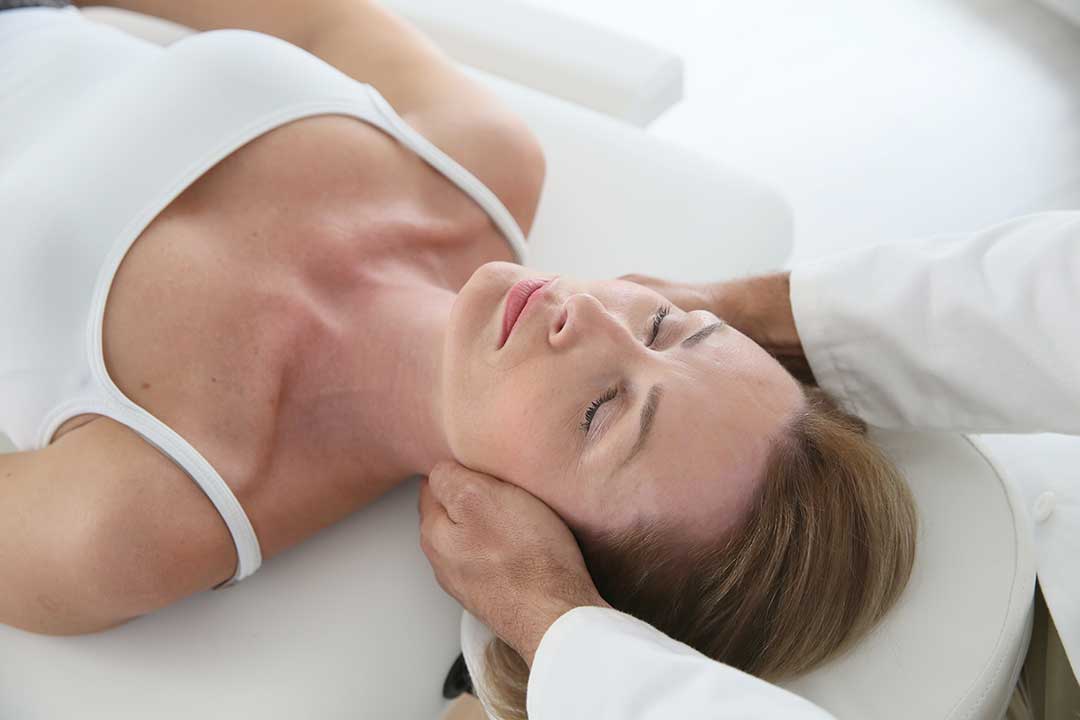
These symptoms are often dismissed as aging, weather-related aches, or stress, but they can signal deeper spinal or nervous system involvement.
How Are Spinal Health and Stress Connected?
A healthy spine helps the nervous system relay messages efficiently between the body and brain. Increased stress—common during busy school years, seasonal pressures, or local emergencies—can cause muscle tension. In turn, this muscle tension may worsen spinal misalignment or reduce flexibility.
Chronic stress and poor posture form a cycle: stress tightens muscles, muscles pull the spine out of alignment, and discomfort then amplifies feelings of fatigue or anxiety. Mindful movement, stretching, and posture checks can help interrupt this cycle before it becomes a regular frustration.
What Are Practical Ways for Residents to Support Spinal Health Each Season?
Effective spinal care doesn’t require complex routines or expensive equipment. A few locally relevant strategies include:
- Take a break and stretch after winter chores like shoveling
- Use supportive shoes while hiking local trails to reduce strain
- Set up a designated work or study area with a supportive chair and monitor at eye level
- Carry heavier loads in smaller batches rather than all at once
- Practice lifting techniques that keep the back straight and use leg strength
Simple habits like standing while on phone calls, walking pets more frequently, or using pillows to support the lower back while seated go a long way, especially during colder months or busy times of year.
What Are Common Misconceptions About Spinal Health?
Not every ache in the area’s climate is “just part of getting older.” Some other misconceptions include:
- Only athletes or manual laborers need to think about spinal health
- Good posture is less important for children, teenagers, or those working from home
- Once stiffness or discomfort becomes common, there’s little that can be done
In reality, everyone—from young students with heavy backpacks to retirees gardening or volunteering—benefits from spinal awareness. Preventive habits matter at every age.
