
 See Our Latest Article on HelloNation
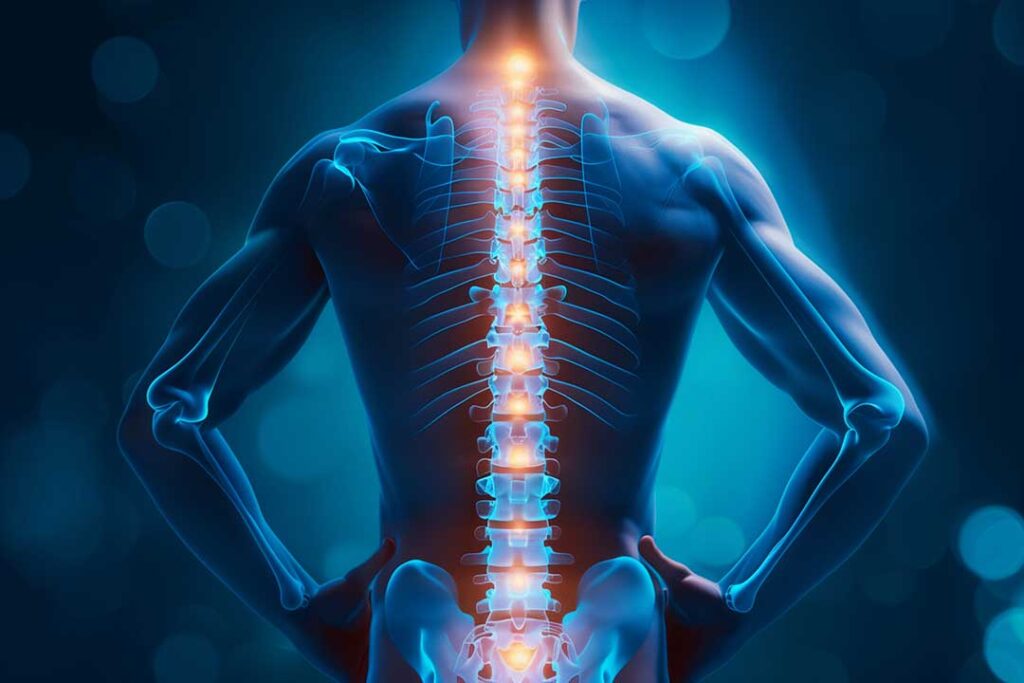
Minor back strains are often caused by lifting, reaching, twisting, yardwork, exercise, or staying in one position too long. For many people in Mamakating, NY, symptoms improve over days to several weeks with gentle movement, temperature therapy, sensible activity changes, and attention to warning signs.
A home-care approach is reasonable when the discomfort feels muscular, began after a recognizable activity, and is not accompanied by numbness, weakness, fever, major trauma, or changes in bladder or bowel control.
What does a minor back strain usually feel like?
A mild strain commonly causes soreness, tightness, or a pulling sensation in the muscles alongside the spine. The discomfort may be worse when bending, standing from a chair, getting out of bed, or changing position.
Some people notice muscle spasms or stiffness after sitting in a car, working at a desk, shoveling, gardening, or carrying items around the house. Pain that stays mostly in the back is more consistent with a simple strain than pain that travels down the leg.
A strain should gradually become easier to manage. It should not steadily worsen or begin interfering with walking, balance, or normal strength.
Should you use ice or heat?
Both cold and warmth can provide short-term relief, but they serve different purposes.
- Cold: A cold pack may help during the first day or two after a sudden strain, particularly if the area feels irritated or mildly swollen.
- Heat: A heating pad, warm shower, or covered hot-water bottle may be more soothing when stiffness or muscle spasm is the main problem.
Protect the skin with a towel and limit each application to about 15–20 minutes. Do not fall asleep on a heating pad, and avoid placing ice directly against the skin. People with reduced sensation, circulation problems, or skin conditions should use extra caution and ask a medical professional whether temperature therapy is appropriate. ([nhs.uk](https://www.nhs.uk/conditions/back-pain/?utm_source=openai))
Is bed rest helpful for a strained back?
Extended bed rest usually does more harm than good. Staying in bed for a day may be understandable if movement is very painful, but remaining inactive for several days can increase stiffness, weaken supporting muscles, and make it harder to return to normal activities.
Instead, aim for gentle movement within tolerable limits. Short walks around the home, easy changes of position, and light daily tasks can help prevent the back from becoming more guarded. During winter weather, icy walkways and snow removal can make movement more challenging, so avoid rushing outdoors or attempting heavy shoveling while the back is acutely painful.
A temporary reduction in activity is different from complete inactivity. Avoid heavy lifting, repeated bending, forceful twisting, and strenuous exercise until ordinary movements are becoming easier.
What gentle movements are safe?
The safest early movements are usually those that do not sharply increase symptoms during or after the activity. Walking is often a practical starting point. Try several brief walks rather than one long outing.
Other comfortable options may include:
- Slowly rolling the shoulders and taking relaxed breaths
- Changing sitting and standing positions regularly
- Lying on the back with the knees supported by pillows
- Lying on the side with a pillow between the knees
- Gently moving the hips or knees through a comfortable range
A stretch should feel mild, not forceful. Stop if it produces sharp pain, increasing pain down a leg, numbness, tingling, or weakness. A temporary mild increase in soreness does not necessarily mean damage, but symptoms should settle rather than build with each attempt. Remaining in one position for long periods can aggravate stiffness, especially during driving, remote work, or extended television viewing. ([nbt.nhs.uk](https://www.nbt.nhs.uk/our-services/a-z-services/emergency-zone/ed-miu-patient-information/back-injuries?utm_source=openai))
Can over-the-counter medicine help?
Some adults use an over-the-counter anti-inflammatory medicine, such as ibuprofen, for short-term relief. These medicines are not appropriate for everyone. Possible concerns include stomach ulcers or bleeding, kidney disease, certain heart conditions, blood thinners, pregnancy, medication interactions, and uncontrolled high blood pressure.
Read the label and follow the stated dose. Do not combine multiple products that contain the same pain-relieving ingredient. A pharmacist can help determine whether a medicine is compatible with existing conditions and prescriptions.
Pain medicine should support comfortable movement, not encourage heavy lifting or a quick return to strenuous work. If medication is needed repeatedly, pain is severe, or improvement is not occurring, medical advice is appropriate. ([nhs.uk](https://www.nhs.uk/conditions/back-pain/?utm_source=openai))
How can sleeping and sitting be made easier?
There is no single perfect sleeping position. The most useful position is usually the one that allows relaxed breathing and does not increase symptoms.
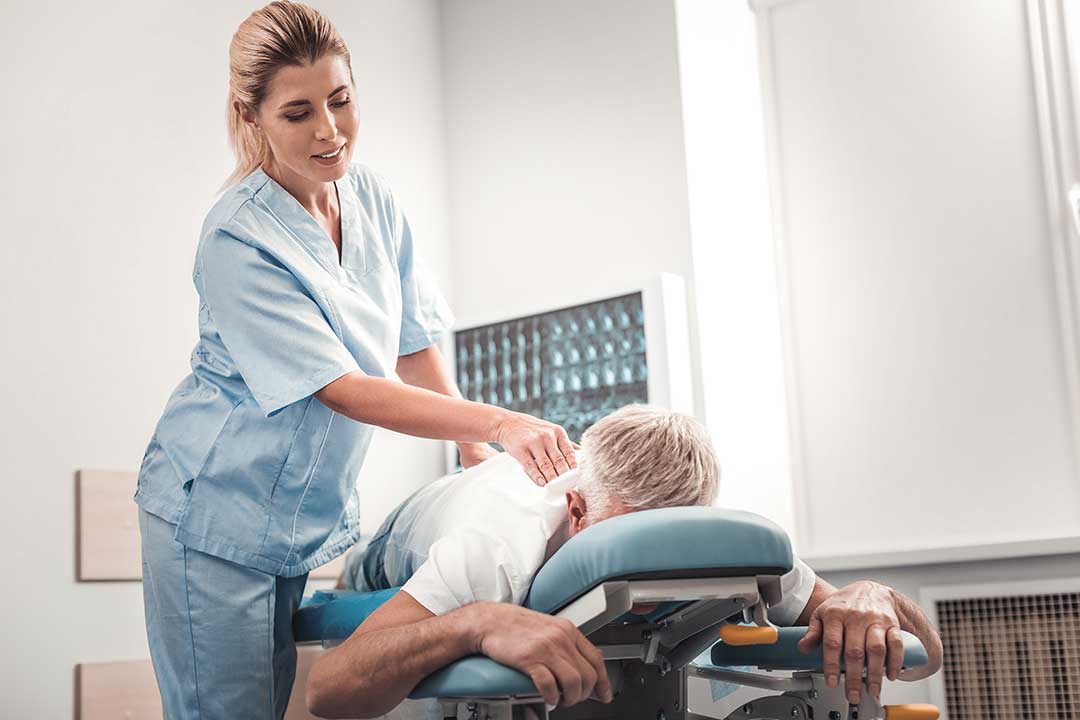
For many people:
- Side sleeping with a pillow between the knees reduces twisting.
- Back sleeping with a pillow beneath the knees may reduce strain.
- A small rolled towel may support the waist when lying on the side, if it feels comfortable.
- A supportive chair can be more comfortable than a soft couch that allows the pelvis to sink.
When standing from bed or a chair, move slowly and avoid twisting while lifting. Turn the whole body instead of rotating only through the lower back.
When should a back strain be evaluated?
Seek urgent medical care for back pain with:
- Loss of bladder or bowel control
- New numbness around the groin or inner thighs
- Significant weakness in a leg
- Difficulty walking or maintaining balance
- Pain after a serious fall, crash, or other major impact
- Fever, unexplained illness, or feeling unusually unwell
- Severe pain that does not allow a comfortable position
Prompt medical evaluation is also appropriate for pain that travels below the knee, wakes a person repeatedly at night, occurs with unexplained weight loss, follows a history of cancer, or is accompanied by burning urination or blood in the urine. These symptoms can point to causes other than a simple muscle strain. ([medlineplus.gov](https://www.medlineplus.gov/ency/article/007425.htm?utm_source=openai))
How long should a minor strain take to improve?
Many uncomplicated episodes begin improving within several days and substantially settle within a few weeks. Some take four to six weeks, particularly when the back is repeatedly irritated by lifting, prolonged sitting, or returning to activity too quickly. ([medlineplus.gov](https://www.medlineplus.gov/ency/article/007425.htm?utm_source=openai))
If the pain is not clearly improving after a few days, continues beyond several weeks, keeps returning, or prevents normal work and household activities, an examination can help clarify whether the problem is a strain or something else. Self-care is most useful when symptoms are steadily trending in the right direction.
